The short answer
If your heat blows cool air, turns on and off too often, makes new noises, or smells wrong, have it inspected before a small problem becomes a bigger one. Liberty HVAC Services diagnoses gas furnaces and heat pumps in Los Angeles-area homes, explains whether repair or replacement makes more sense, and gets your approval before doing any work.
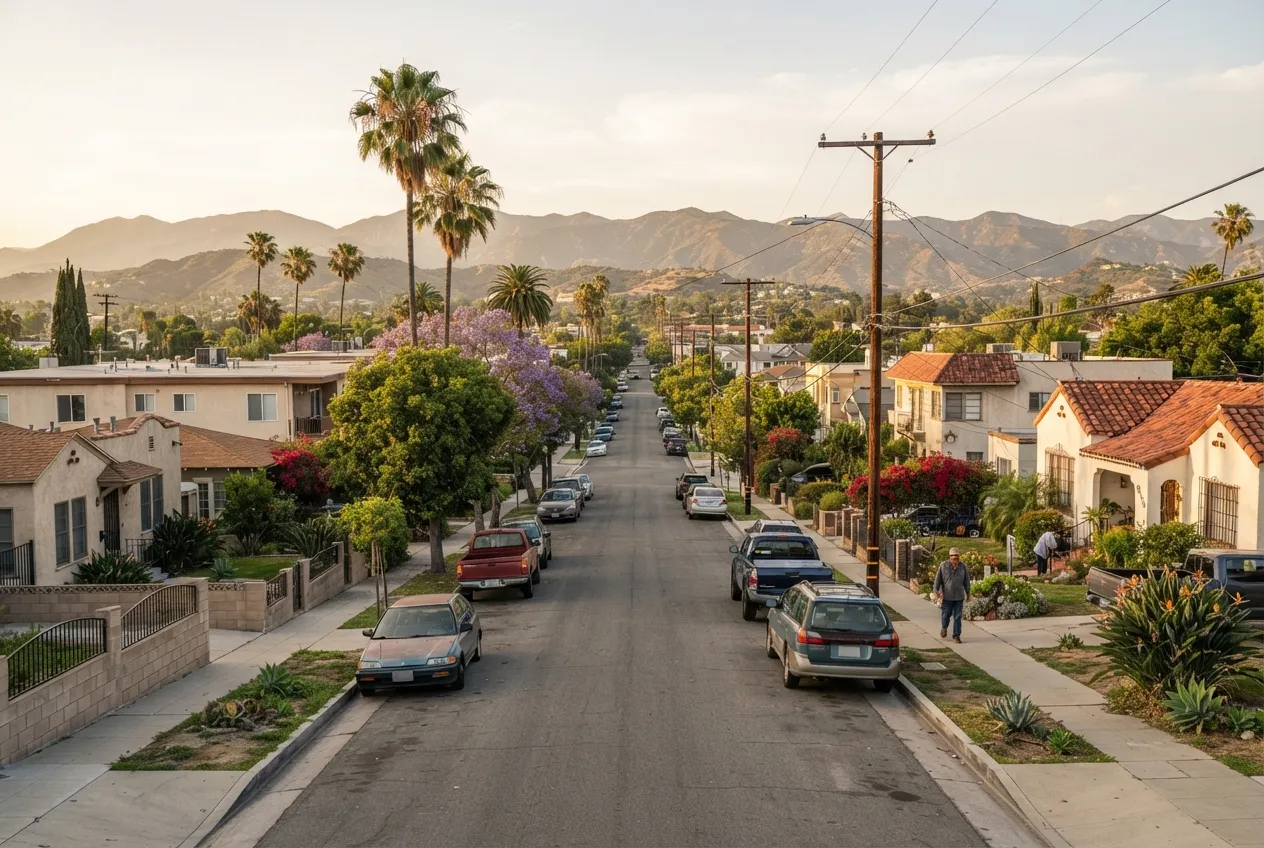
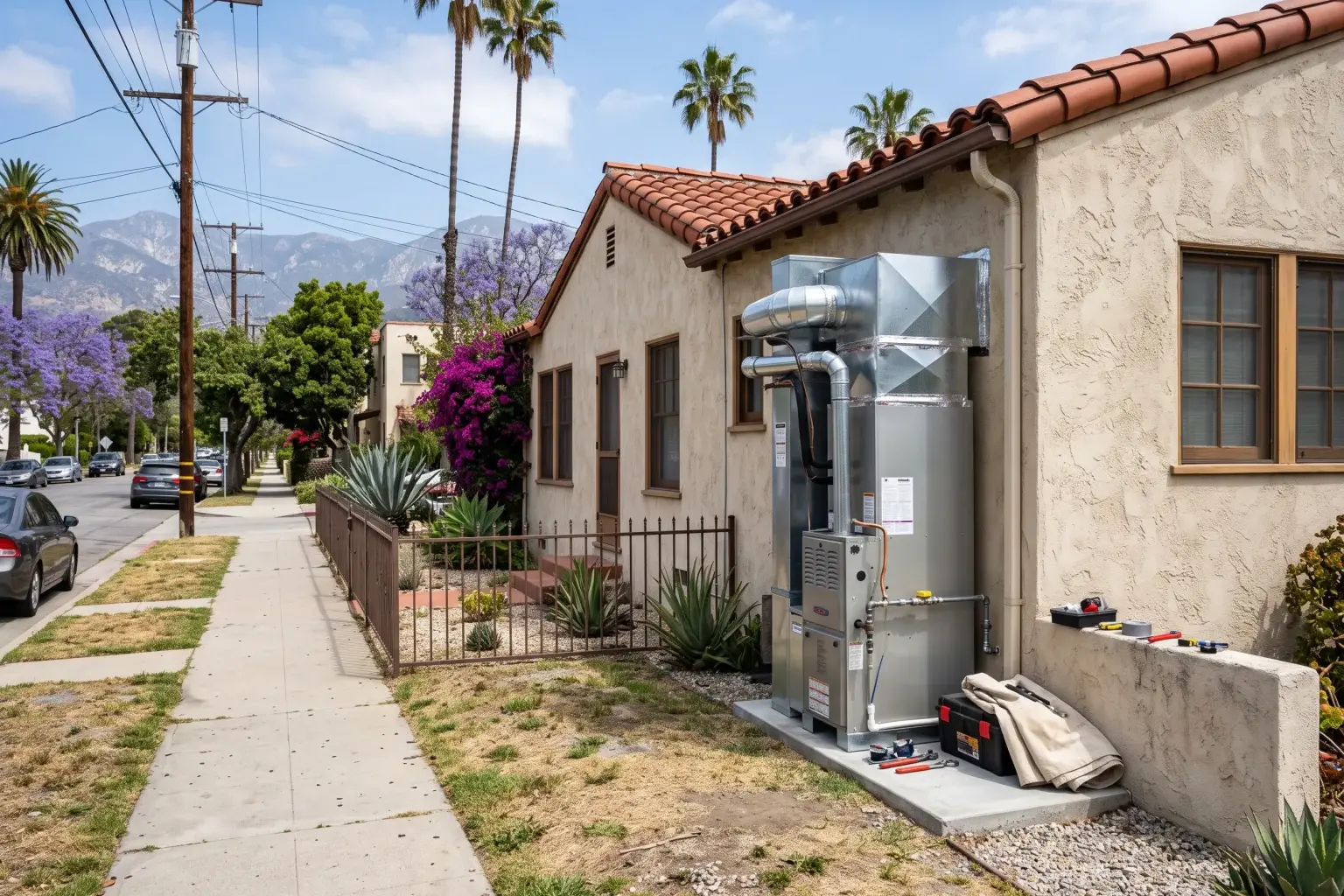
Los Angeles has mild winters, but cold nights still come, especially in inland neighborhoods and the valleys. Most local heating systems sit unused for much of the year, so problems often show up the first time someone turns up the thermostat in the fall. Liberty HVAC Services repairs gas furnaces, heat pumps, and wall and floor furnaces in homes across Los Angeles and nearby cities. This page covers the warning signs to watch for, what our technicians check, how we think about repair versus replacement, what affects the cost, and what to expect when we come out.
Signs Your Heating System Needs Repair
A heating system rarely fails all at once. Most give some warning first, and catching a problem early usually means a simpler fix. Schedule a repair visit if you notice any of these signs:
If a carbon monoxide alarm sounds or you smell gas, leave the house right away. Call the gas utility or 911 from outside, and don't try to restart the furnace. Once the home has been cleared, we can find and repair the cause.
- The system runs but blows cool or lukewarm air
- The furnace turns on and off in short cycles without warming the house
- Some rooms stay cold while others feel fine
- Burning, electrical, or musty smells that last beyond the first few minutes of the season
- Banging, squealing, rattling, or grinding sounds from the unit or ductwork
- A burner flame that looks yellow or flickers instead of burning steady blue
- A thermostat that doesn't respond, or a system that won't start at all
- Utility bills going up even though you're using the heat the same way
- A carbon monoxide alarm going off
What We Check During a Heating Repair Visit
Every repair visit starts with a diagnosis. We look at the whole system so we can fix the cause, not just the symptom you noticed. Depending on your equipment, we check:
Before any work starts, we explain what we found in plain terms and tell you what we recommend.
- Thermostat settings, wiring, and batteries
- Air filter condition and airflow through supply and return vents
- Ignition system, flame sensor, and burners on gas furnaces
- Heat exchanger condition, looking for cracks or corrosion that could let combustion gases escape
- Venting and flue connections
- Blower motor, capacitor, and blower wheel
- Limit switches, pressure switches, and control board error codes
- On heat pumps: refrigerant pressures, reversing valve, defrost controls, and outdoor coil
- Gas pressure and electrical connections
- Visible duct connections in attics, crawlspaces, and garages
Repair or Replace: Your Options
Most heating problems can be repaired. A failed igniter, a dirty flame sensor, a worn blower motor, or a bad capacitor is a routine fix that can put an otherwise healthy system back in service. Replacement starts to make sense when the heat exchanger is cracked, when major parts keep failing one after another, when replacement parts are hard to find, or when the system can no longer keep your home comfortable.
Our job is to give you the information you need to decide. We won't push replacement on a system that still has useful life left. If replacement is worth considering, these local factors matter:
Los Angeles has mild winters and hot inland summers, so a heat pump that handles both heating and cooling is worth a look for many homes. We can walk you through the tradeoffs for your house.
- Furnace rules: South Coast AQMD Rule 1111 limits nitrogen oxide emissions from natural-gas central furnaces sold and installed in the Los Angeles region, and the district has been amending the rule toward zero-emission requirements. The district sets and revises the compliance dates, so check the current rule before choosing a new gas furnace.
- Heat pump rebates: LADWP residential electric customers can apply for Consumer Rebate Program rebates on qualifying heat pump systems. The amount depends on the unit's SEER2 and HSPF2 ratings. You file the application after the equipment is purchased and installed, within 12 months of purchase.
- Your utility matters: many homes outside the City of Los Angeles are served by Southern California Edison instead of LADWP, so the rebates available to you depend on your address. We confirm the current offer before quoting it.
- Federal tax credit: the federal Energy Efficient Home Improvement Credit (25C) covered qualifying heat pumps placed in service before December 31, 2025. It is not available for new installations after that date.
What Affects the Cost of Heating Repair
We can't price a repair until we know what's wrong. These are the main factors that affect the cost:
We explain the cost of the recommended repair and get your approval before we start any work.
- Which part failed, and whether it's a common component or one made only by the manufacturer
- The type of system: gas furnace, heat pump, wall furnace, or floor furnace
- The age and brand of the equipment, which affect how easy parts are to get
- How easy the equipment is to reach, such as an attic, a tight closet, or a crawlspace
- How many problems we find, and whether one failure caused another
- Whether the repair involves refrigerant, gas lines, or venting
- Timing, if you need service outside regular hours
How a Heating Repair Visit Works
Here's what to expect from the time you contact us to the time your heat is running again:
- Scheduling: Tell us what the system is doing, any sounds or smells you've noticed, and the type of equipment if you know it. We'll set a time window for the visit.
- Inspection: The technician asks a few questions, then inspects and tests the system.
- Diagnosis: We show you what we found and explain your options, including repair and, when it makes sense, replacement.
- Repair: With your approval, we make the repair. If a part has to be ordered, we tell you and schedule a return visit.
- Testing: We run the system through a full heating cycle and check that it's operating safely before we leave.
- Next steps: We point out anything worth watching, such as a filter that needs changing or a part that's starting to wear.
Heating Repair by city
- Heating Repair in West Hollywood
- Heating Repair in Beverly Hills
- Heating Repair in Culver City
- Heating Repair in Inglewood
- Heating Repair in Santa Monica
- Heating Repair in Hawthorne
- Heating Repair in Vernon
- Heating Repair in Huntington Park
- Heating Repair in El Segundo
- Heating Repair in Burbank
- Heating Repair in Manhattan Beach
- Heating Repair in Maywood