The short answer
Liberty HVAC Services repairs gas furnaces, wall heaters, floor furnaces, and heat pumps in Inglewood homes. Most problems after months of sitting idle come from ignition parts, dirty flame sensors, filters, or thermostats and are fixable. If you're considering replacement, check current South Coast AQMD furnace rules and which utility serves your address for rebates.
Inglewood gets mild winters, so many heaters sit unused from spring until the first chilly night in late fall. That long rest is when problems tend to surface: a furnace that clicks but never lights, a wall heater that smells like burning dust for longer than it should, or a blower that pushes out cold air. Liberty HVAC Services repairs gas furnaces, wall and floor heaters, and heat pumps in homes across Inglewood, about 6 miles south of our Los Angeles base. Below is what typically goes wrong, what we check on a visit, and how to think about repairing versus replacing.
Why Inglewood heaters act up after months off
Because coastal air keeps most nights mild, a heater in Inglewood may run only a few weeks a year. Dust settles on burners and sensors, thermostat batteries die, filters get forgotten, and parts that wore out last season don't show it until you need heat.
A light burning smell for the first few minutes is normal as dust burns off. Call for service if you notice any of the following:
- Furnace clicks, tries to start, or lights briefly and shuts off
- Blower runs but air from the vents stays cool
- Burning or electrical smell that lasts past the first several minutes
- Yellow or flickering flames instead of steady blue ones
- Banging, squealing, or rattling on startup
- Heater turns on and off every few minutes
- Carbon monoxide alarm sounds (get everyone outside first)
What a heating repair visit includes
We start with the simple causes behind many no-heat calls: thermostat settings and power, a clogged filter, a tripped breaker, or a furnace door safety switch that isn't seated. Then we work through the system in order.
We explain what failed and why, show you the worn part when we can, and go over your options before starting work. If we find a cracked heat exchanger or a venting problem that could put carbon monoxide into the house, we'll tell you plainly and shut the unit down rather than leave it running.
- Ignition: hot surface igniter, spark igniter, or pilot assembly
- Flame sensor cleaning and testing
- Gas pressure and burner condition
- Limit switches, pressure switch, and inducer motor
- Blower motor, capacitor, and belt where applicable
- Flue and vent connections, plus a visual heat exchanger check
- Carbon monoxide testing at the unit and in nearby living space
Wall heaters, floor furnaces, and forced-air systems
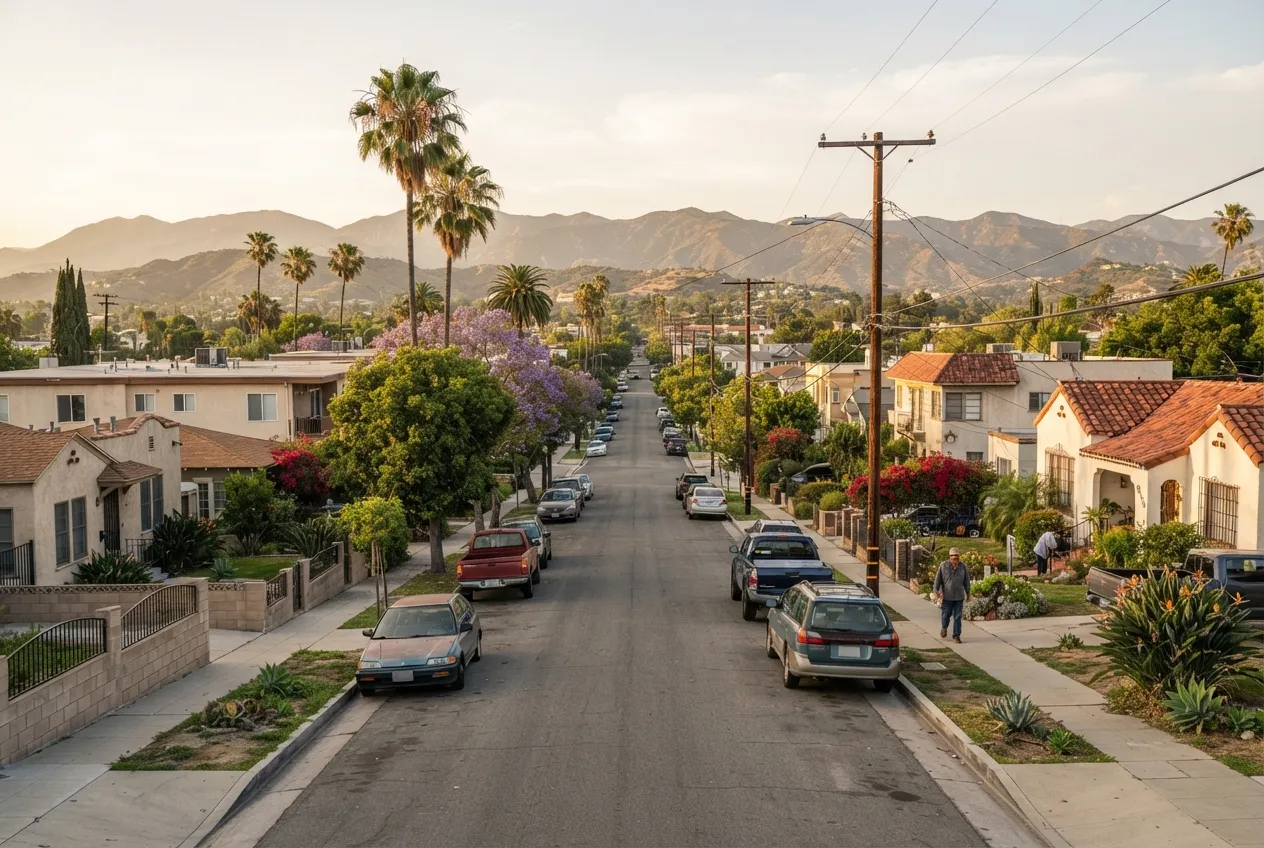
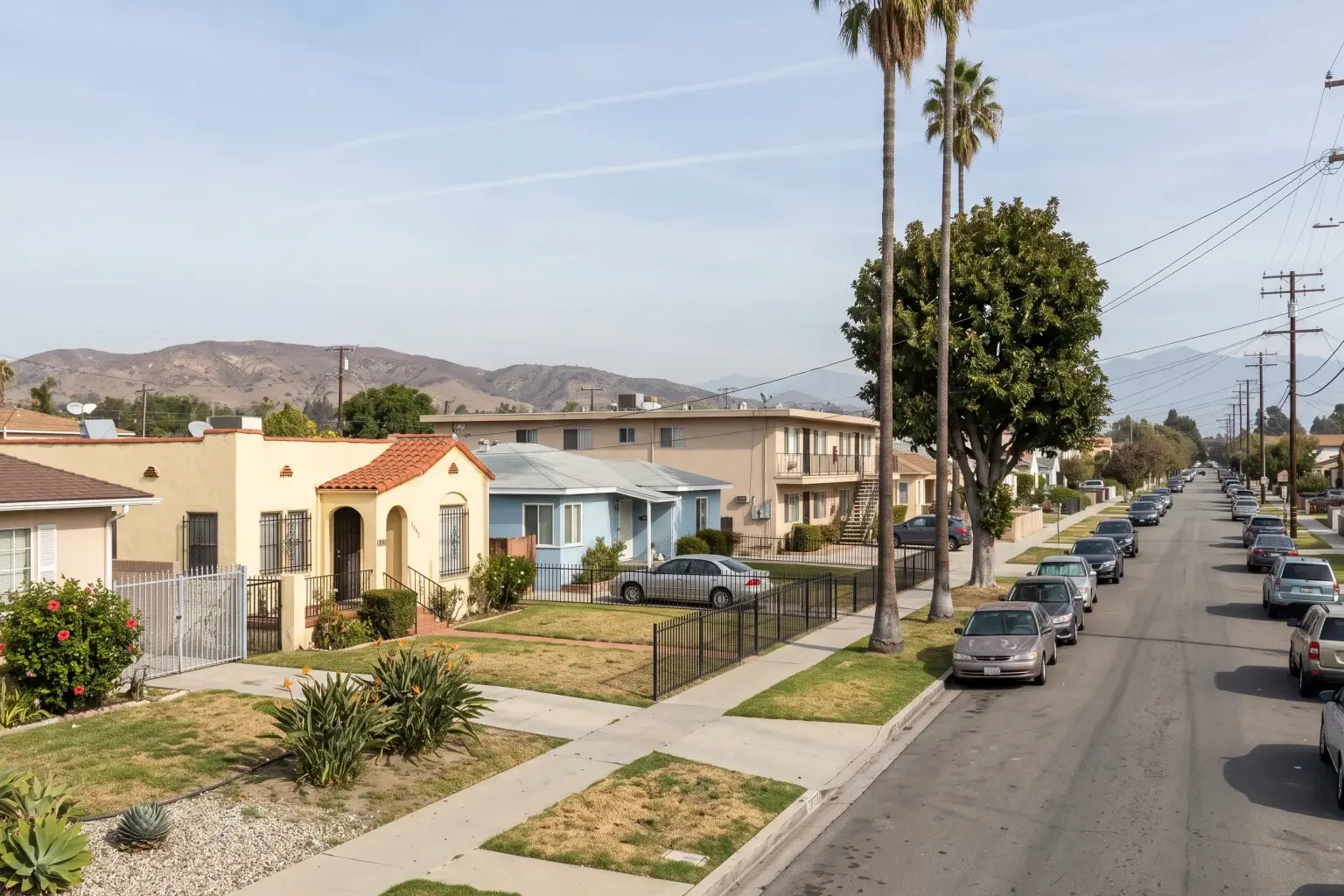
Homes in Inglewood range from older houses, duplexes, and small apartment buildings to newer construction, and the heating equipment varies with them. Gas wall heaters are simple, but older ones often have worn thermocouples, pilot assemblies, and control valves, and their vents need to stay clear. Floor furnaces sit under a grate and collect debris, which can clog burners and create a fire risk.
Newer and remodeled homes usually have forced-air furnaces in a closet, garage, or attic, sometimes paired with central air conditioning. Attic units deserve extra attention, since a leaking duct or loose vent pipe up there can go unnoticed for a long time. If your home uses a heat pump, we diagnose those too, including defrost controls, reversing valves, and refrigerant problems that cut heating output.
Repair or replace? What to know first
Most heating problems are fixable, and repair is usually the right call for a system in reasonable shape. Replacement makes more sense when the heat exchanger is cracked, parts are no longer available, or repairs keep piling up on an aging unit.
If you're weighing a new gas furnace, check the current South Coast AQMD Rule 1111 requirements first. The district limits NOx emissions from gas fan-type central furnaces sold and installed in the Los Angeles region and has been amending the rule toward zero-emission requirements, with compliance dates it sets and revises.
A heat pump is the main alternative, and it handles Inglewood's mild winters well. Available rebates depend on which utility serves your address. Inglewood is its own city, outside the City of Los Angeles, and many homes outside the City of LA are served by Southern California Edison rather than LADWP, so we confirm the current offer for your address before quoting it. Where LADWP is the electric provider, its Consumer Rebate Program covers qualifying heat pump systems based on SEER2/HSPF2 rating, with the application filed after installation and within 12 months of purchase. The federal 25C tax credit only covered heat pumps placed in service before December 31, 2025, so it doesn't apply to new installations now.
Heating repair across Inglewood and nearby
We serve homes throughout Inglewood, including ZIP codes 90301, 90302, 90303, and 90305, from our base in Los Angeles about 6 miles north. We also work in nearby Hawthorne, Culver City, El Segundo, Manhattan Beach, and Huntington Park.
When you reach out, tell us the type of heater, its approximate location in the home, and what it's doing. If you smell gas, leave the house and contact your gas utility or 911 from outside before calling us.
More services in Inglewood
- AC Repair in Inglewood
- Heat Pump Installation in Inglewood
- AC Installation in Inglewood
- Furnace Repair in Inglewood