The short answer
Liberty HVAC Services repairs gas furnaces, heat pumps, and wall or floor heaters in Burbank homes, starting with a diagnosis that finds the actual failed part. Many no-heat calls come down to ignition, airflow, or thermostat problems that are repairable. If replacement makes more sense, we explain the local furnace emissions rules and check which rebates your utility currently offers.
Burbank winters are mild, so many furnaces and heat pumps sit idle for months and then get asked to work on the first cold night of the season. That is when problems show up: a burner that won't light, a blower that runs but pushes cool air, a heat pump that keeps defrosting or never warms the house. Liberty HVAC Services repairs heating systems in homes across Burbank, including the 91501, 91502, 91504, 91505, and 91506 ZIP codes, about 10 miles north of our Los Angeles base. This page covers the heating problems we see most often in Burbank homes, what you can safely check yourself, and how to decide between repair and replacement under the rules that apply in this region.
Why Burbank Heating Systems Fail When They Do
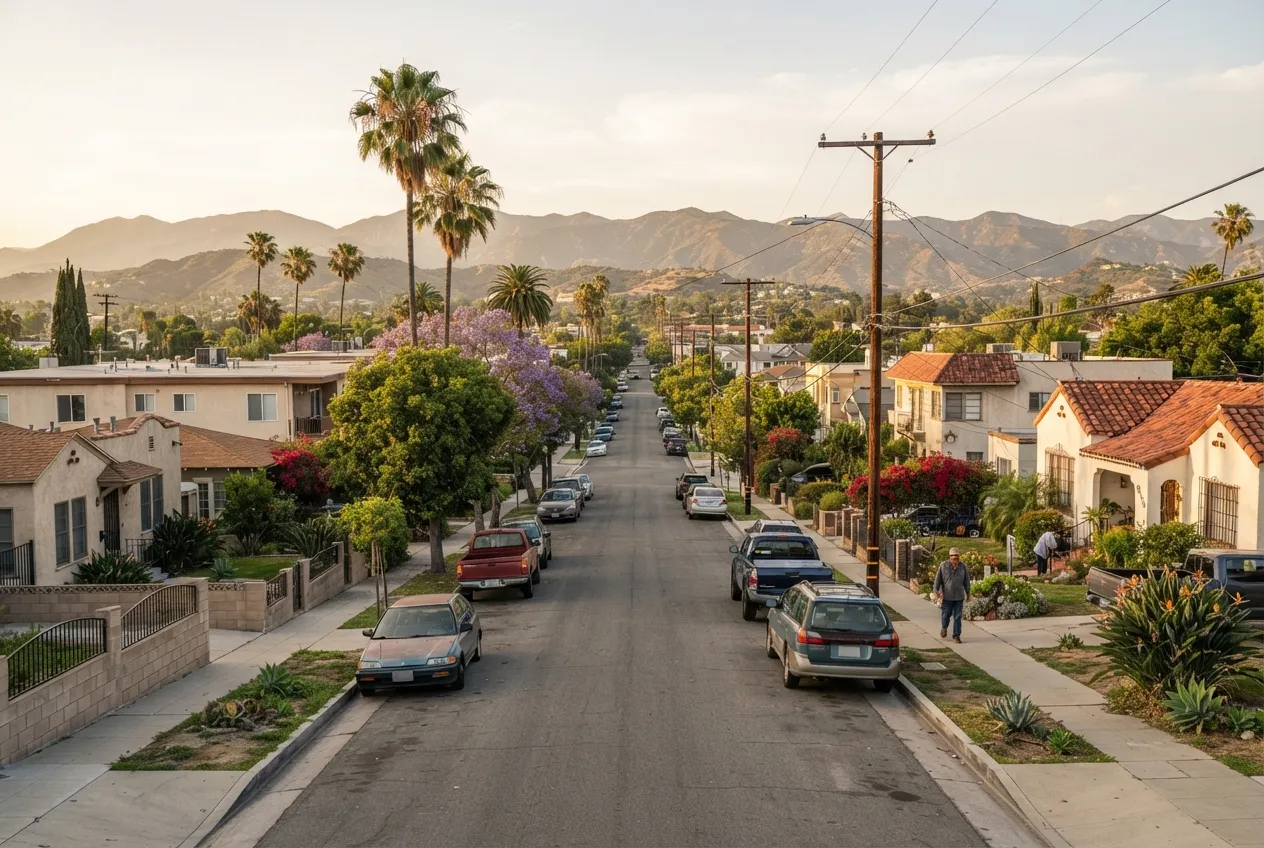
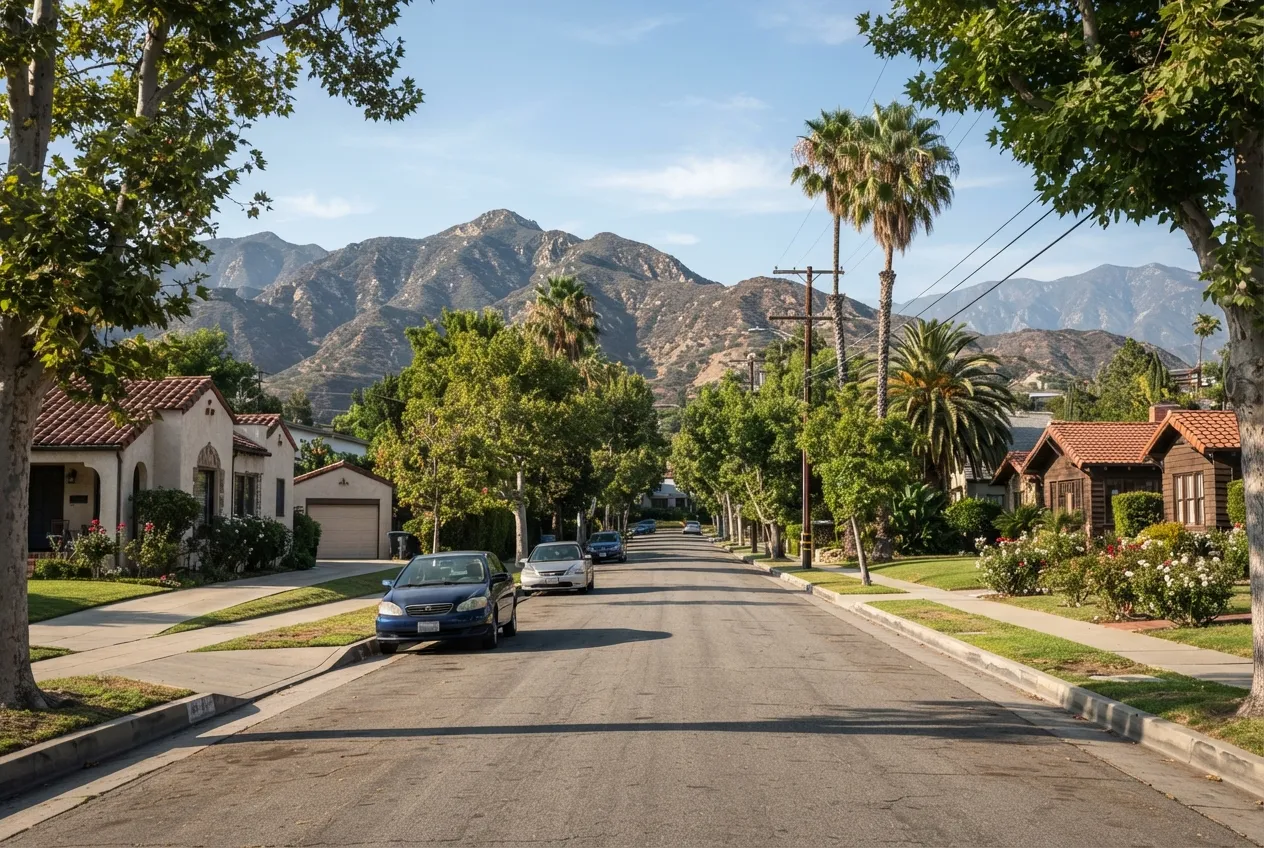
Burbank sits in the valley, where summers run much hotter than near the coast and winters stay mild. That pattern is hard on heating equipment in a specific way. Air conditioning runs hard for months, often through the same blower and ductwork the furnace uses, and the heating side then sits unused until temperatures drop. Dust settles on flame sensors and burners, filters load up over the cooling season, and small electrical problems go unnoticed until heat is actually needed.
Many Burbank homes also have older equipment tucked into attics, garages, or hall closets. Attic furnaces deal with extreme summer heat, which can wear out wiring, control boards, and capacitors faster. Older wall and floor furnaces are common in some neighborhoods and have their own set of failures, usually involving pilot assemblies, thermocouples, and gas valves.
Common Heating Problems We Repair
Most heating calls fall into a handful of categories. A proper diagnosis matters because several different failures can produce the same symptom, and replacing parts by guesswork wastes time and money.
- Furnace clicks or tries to start, then shuts down: often a dirty flame sensor, a failing igniter, or a pressure switch problem
- Blower runs but air from the vents is cool: ignition failure, a gas supply issue, or a system locked out after repeated failed starts
- Furnace short-cycles on and off: restricted airflow from a clogged filter or closed returns, an overheating heat exchanger, or a thermostat problem
- Heat pump runs constantly without warming the house: low refrigerant, a stuck reversing valve, or a defrost control fault
- Wall or floor furnace pilot won't stay lit: worn thermocouple or thermopile, or a gas valve that needs service
- Burning or electrical smells beyond the first few minutes of the season: worn blower motor, failing wiring, or debris on components
What to Check Before You Call
A few simple checks can solve the problem or at least narrow it down. Confirm the thermostat is set to heat and the set temperature is above room temperature, and replace its batteries if it uses them. Check the breaker for the furnace or air handler and the service switch near the unit, which often looks like a regular light switch. Look at the air filter; a filter that has been in since spring can restrict airflow enough to make the system shut itself off.
If you smell gas, leave the house and contact your gas utility from outside. Don't try to relight a furnace or reset it repeatedly if it keeps failing. Repeated resets can hide a safety problem, and the error code or blink pattern on the control board is useful information for the technician.
Repair or Replace: Local Rules to Know
Most heating problems are worth repairing. When a furnace has a cracked heat exchanger, a failed control board on a very old unit, or repeated major breakdowns, replacement may be the better choice. If you are weighing a new gas furnace, know that South Coast AQMD Rule 1111 limits NOx emissions from natural-gas fan-type central furnaces sold and installed in this region, and the district has been amending the rule toward zero-emission requirements. Because the district sets and revises the compliance dates, we check the current rule with you before recommending equipment.
Some homeowners use a heating failure as the moment to switch to a heat pump. Rebates depend on which utility serves your address, and Burbank addresses may not have the same programs as homes in the City of Los Angeles, so we confirm the current offer before quoting it. The federal 25C tax credit for heat pumps only covered systems placed in service before December 31, 2025, so it does not apply to new installations now.
More services in Burbank
- AC Repair in Burbank
- Heat Pump Installation in Burbank
- AC Installation in Burbank
- Furnace Repair in Burbank