The short answer
Liberty HVAC Services installs central AC, heat pumps, and ductless mini-splits in Manhattan Beach homes, sized for the milder coastal climate rather than hotter inland conditions. Rebates depend on which utility serves your address, and we confirm the current offer before quoting it.
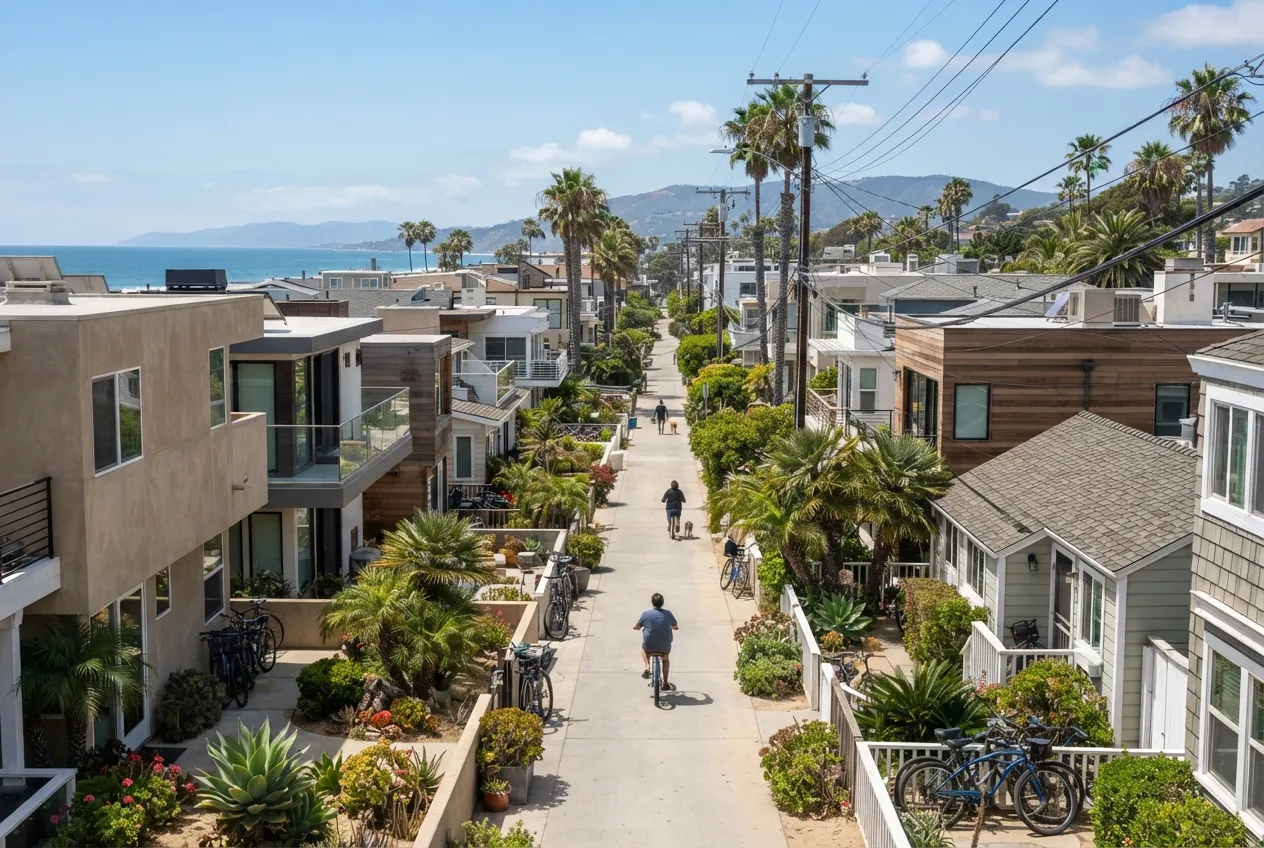
Manhattan Beach sits right on the coast, so many homes here have gone years without central air. Cool ocean air handles most days. But warm late-summer stretches and fall Santa Ana winds can bring hot, dry spells, and those are the days when a home without AC gets uncomfortable fast. Liberty HVAC Services installs air conditioning systems for homes in Manhattan Beach (ZIP 90266), about 11 miles south of our Los Angeles base. This page explains how we size and place a system for a coastal home, which system types fit common situations, and how rebates depend on your utility.
Sizing AC for a Coastal Home
Los Angeles has a Mediterranean climate, and neighborhoods near the coast stay much cooler in summer than the inland valleys. That matters when choosing equipment size. A system sized by a rule of thumb meant for hotter parts of the county can end up too large for a Manhattan Beach home.
An oversized air conditioner cools the house quickly, then shuts off. It runs in short bursts, uses more energy than it needs to, and doesn't run long enough to pull moisture out of the air. The house can feel cool but clammy. A correctly sized unit runs steadier, longer cycles and keeps rooms more even.
Before recommending a system, we calculate the cooling load for your home. We look at:
- Square footage, ceiling heights, and number of floors
- Window sizes and which direction they face
- Attic and wall insulation
- Rooms that get strong afternoon sun, such as upstairs bedrooms
- The size and condition of any existing ductwork
Choosing the Right System Type
The best system depends mostly on whether your home already has ducts and how you heat it now. We'll walk you through the trade-offs for your house instead of pushing one option.
- Central split AC: An outdoor condenser paired with an indoor coil at your furnace. A good fit if you have a working gas furnace and sound ductwork.
- Heat pump: Cools in summer and heats in winter with one outdoor unit. With Southern California's mild winters, a heat pump can replace both an aging AC and a gas furnace.
- Ductless mini-split: Wall-mounted indoor units connected to an outdoor unit by a small line set. Useful for homes without ducts, additions, or a few rooms that run hot.
Outdoor Unit Placement Near the Ocean
Homes close to the beach deal with salt air, which can corrode outdoor coils, fins, and fittings faster than equipment farther inland. When we plan an installation here, we talk about where the outdoor unit will sit, whether coil protection makes sense, and how to rinse the unit gently as part of routine care.
Lot layout matters too. Many homes have narrow side yards or close neighbors, so we check clearance for airflow and service access, and we try to keep the condenser away from bedroom windows, yours and your neighbors'. Installation work generally requires a permit, and we'll explain that step before the job starts.
Rebates, Tax Credits, and Rules to Know
Manhattan Beach is outside the City of Los Angeles. Many homes outside the city are served by Southern California Edison rather than LADWP, so the equipment rebates available to you depend on the utility that serves your address. We confirm the current offer before quoting it.
If your home is an LADWP residential electric customer, you may be able to apply for a Consumer Rebate Program rebate on a qualifying heat pump system. The amount is based on the unit's SEER2/HSPF2 rating, and you apply after the equipment is purchased and installed, within 12 months of purchase.
The federal Energy Efficient Home Improvement Credit (25C) only covered qualifying heat pumps placed in service before December 31, 2025. It is not available for new installations after that date.
If you're replacing a gas furnace at the same time, note that South Coast AQMD Rule 1111 limits NOx emissions from natural-gas fan-type central furnaces in this region, and the district has been amending it toward zero-emission requirements. Check the current rule before you choose, because the district sets and revises the compliance dates.
What to Expect on Installation Day
We aim to keep the process clear and your home clean. A typical installation follows these steps:
- Protect floors and work areas, then remove old equipment if needed
- Set the outdoor unit on a level pad or mounting bracket
- Install the indoor coil, air handler, or wall units
- Run and seal the refrigerant line set and condensate drain
- Connect electrical, thermostat, and controls
- Start the system, check airflow and temperatures, and show you how to use it
More services in Manhattan Beach
- AC Repair in Manhattan Beach
- Heating Repair in Manhattan Beach
- Heat Pump Installation in Manhattan Beach
- Furnace Repair in Manhattan Beach